
Description
For too long, robusta has been coffee’s underdog—dismissed as harsh, one-dimensional, and only useful for cheap instant coffee. But what if robusta’s boldness could be married with exotic fruit flavors? What if Vietnam’s coffee innovation could turn the world’s most misunderstood bean into something extraordinary?
Enter Nam Ban’s pineapple-fermented robusta: a coffee experiment that sounds wild on paper and tastes even wilder in the cup.
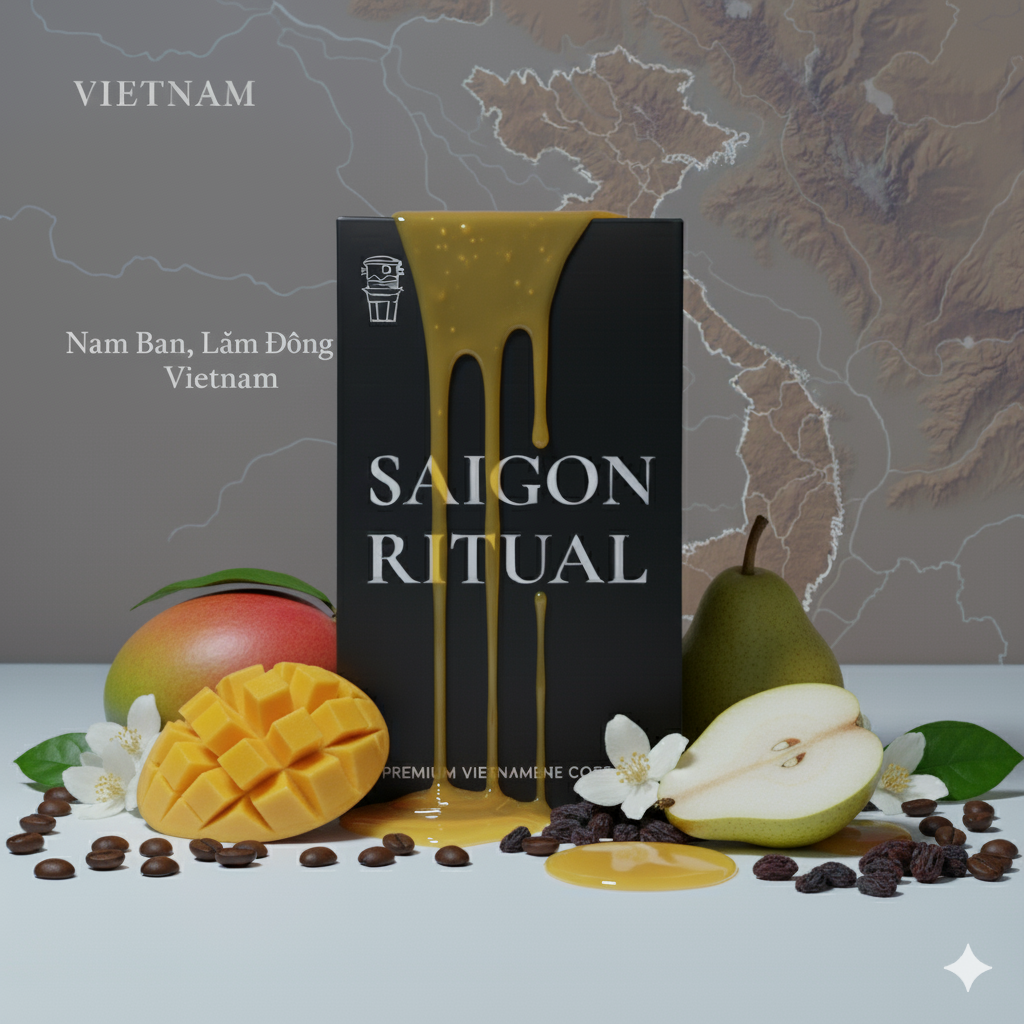
Our partner farm in Nam Ban, Lâm Đồng province, pioneered a radical natural anaerobic fermentation process using fresh pineapple. The result? Robusta that tastes like ripe mango, jasmine tea, and tropical fruit salad—while keeping that signature robusta body and caffeine kick.
This isn’t your grandparents’ Vietnamese coffee. This is robusta for the 21st century.
Tasting Notes:
Ripe mango, pear, jasmine, tropical fruit, sweet floral finish
Origin: Nam Ban, Lâm Đồng Province, Central Highlands
Elevation: 800-900 meters above sea level
Process: Natural Anaerobic Fermentation with Fresh Pineapple — 48-72 hour sealed fermentation, sun-dried 18-21 days
Roast Level: Medium (Full City roast) — balances tropical fruit brightness with robusta’s natural body
Varietal: Robusta (Coffea canephora) — high-quality clones selected for sweetness potential
Why Pineapple Fermentation Changes Everything
The Anaerobic Revolution
In recent years, specialty coffee farms worldwide have been experimenting with anaerobic fermentation—sealing coffee cherries in oxygen-free tanks to control microbial activity and develop exotic flavors.
Our Nam Ban partner took it further: adding fresh pineapple to the fermentation.
Here’s what happens:
- Ripe robusta cherries are hand-picked at peak ripeness
- Fresh pineapple chunks are added to sealed fermentation tanks
- Oxygen is removed — creating an anaerobic environment
- Natural yeasts and bacteria from the pineapple interact with coffee mucilage
- 48-72 hours of fermentation — enzymes break down sugars, acids develop, tropical esters form
- Sun-dried with fruit intact — natural processing preserves the fermented sweetness
The result? Pineapple’s enzymatic activity (especially bromelain) breaks down proteins and sugars in ways that unlock fruity esters normally absent in robusta. The coffee absorbs tropical aromatics during fermentation, then develops them further during the extended natural drying.
This isn’t flavored coffee—it’s flavor transformation through fermentation science.
Robusta’s Hidden Potential
Most robusta is processed carelessly—strip-picked unripe, dried on concrete, roasted dark to hide defects. But when you start with high-quality clones, hand-pick only ripe cherries, and ferment with intention, robusta reveals shocking complexity.
Why robusta + pineapple fermentation works:
- High body — robusta’s natural thickness carries fruit flavors beautifully
- Low acidity — creates a smooth, approachable cup (no sourness)
- Caffeine boost — 2x the caffeine of arabica for serious coffee lovers
- Sweetness potential — ripe robusta cherries have natural sugars; fermentation amplifies them
- Price accessibility — exotic processing without arabica price tags
This is robusta as it should be: bold, interesting, and unapologetically fruity.
Brewing Recommendations
This coffee is incredibly versatile—it shines hot or cold, black or with milk.
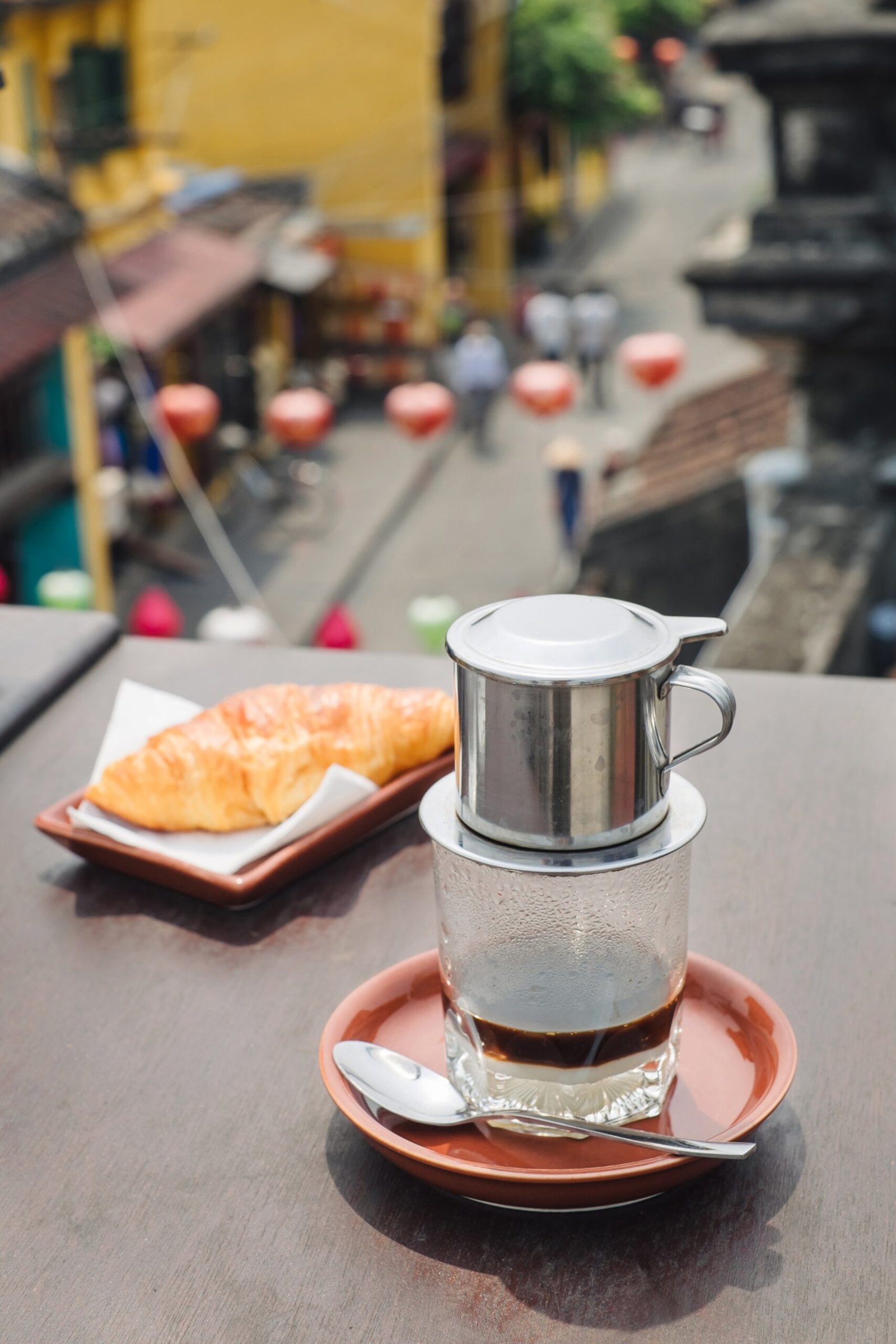
Phin Filter (Traditional Vietnamese)
- Grind: Medium
- Ratio: 3 tablespoons per 6oz water
- Method: Standard phin technique—this is where it feels most at home
- Pairing: Incredible black or with condensed milk (the fruit + sweetness combo is addictive)
- Result: Full-bodied, tropical, creamy—like drinking mango lassi mixed with strong coffee
French Press
- Grind: Coarse
- Ratio: 1:14 (e.g., 30g coffee to 420g water)
- Steep time: 4 minutes
- Result: Bold body, pronounced mango and pear notes, smooth finish
Pour-Over (V60, Chemex)
- Grind: Medium
- Ratio: 1:15
- Water temp: 200–205°F
- Result: Lighter body than immersion methods, jasmine florals shine, cleaner tropical fruit definition
Cold Brew (Highly Recommended)
- Grind: Coarse
- Ratio: 1:4 (coffee to water)
- Steep: 18–24 hours, refrigerated
- Result: This is where the pineapple fermentation absolutely explodes. Ultra-smooth, tropical fruit punch, zero bitterness, naturally sweet—you might not need any sugar.
Espresso
- Grind: Fine
- Dose: 18–20g for double shot
- Result: Thick, syrupy, fruity shot with beautiful crema—makes a wild latte (tropical milk coffee)
Vietnamese Iced Coffee (Cà Phê Sữa Đá)
- Method: Brew with phin over ice + condensed milk
- Result: The ultimate summer drink—tropical fruit + sweet creaminess + robusta caffeine kick
Brewing Tips for Best Results
Tip #1: Cold Brew Is King
This coffee was made for cold brew. The long extraction amplifies tropical fruit notes and smooths out any robusta edge. Try it—you won’t regret it.
Tip #2: Don’t Over-Extract
Robusta can turn bitter if brewed too long or too hot. Stick to recommended brew times and temperatures.
Tip #3: Pair with Sweetened Condensed Milk
The tropical fruit + sweet milk combo is heaven. This is Vietnamese iced coffee evolved.
Tip #4: Serve Over Ice
Even hot-brewed, this coffee is incredible over ice. The fruit notes pop when chilled.
Tip #5: Share with Friends Who “Don’t Like Robusta”
This is the coffee that changes minds. Brew it for skeptics and watch their reaction.
Pair It With
Vietnamese Phin Filter Set — Traditional brewing meets modern processing
Sweetened Condensed Milk — The perfect tropical pairing
Cold Brew Starter Kit — This coffee was made for cold brew


