

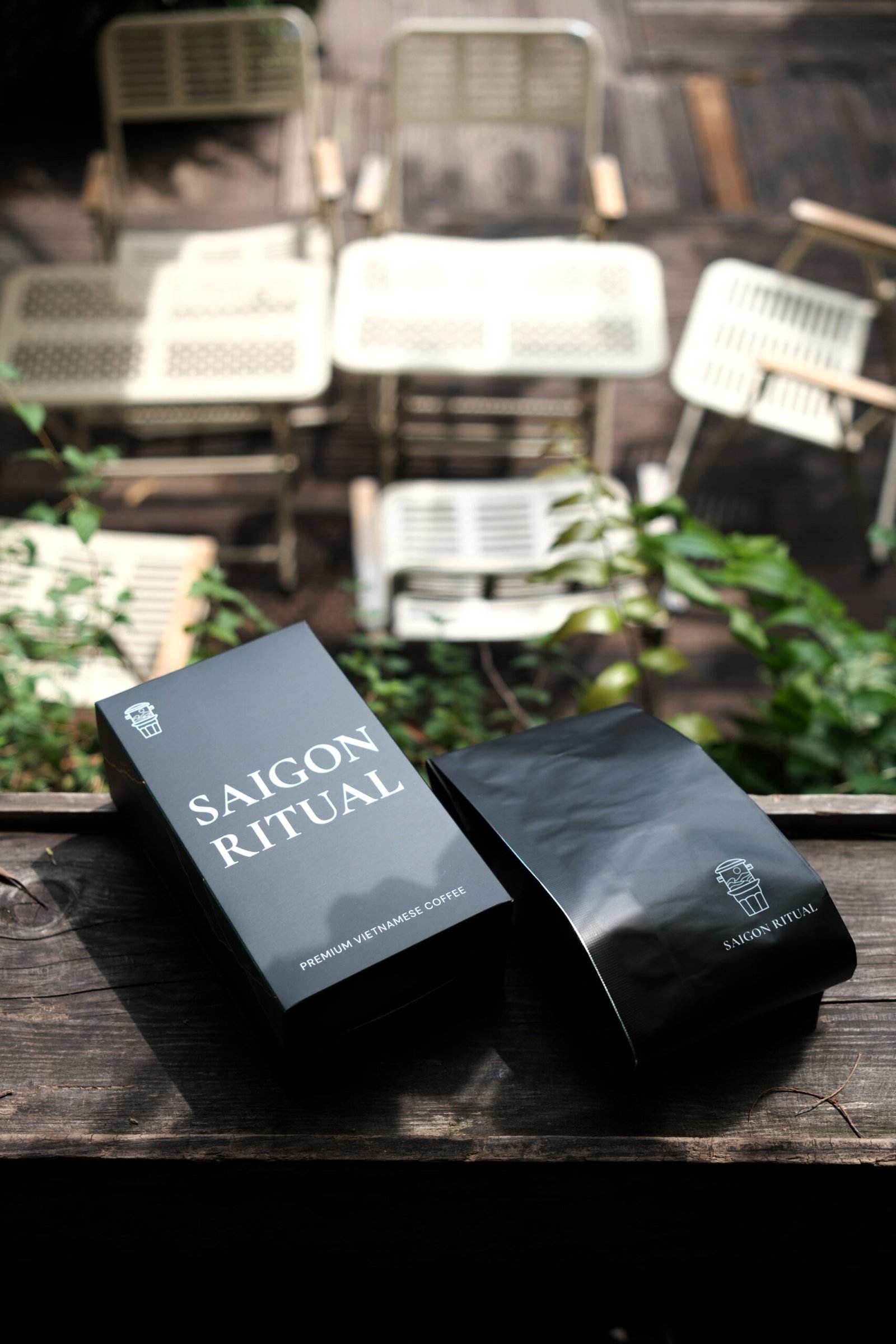
Description
Imagine biting into a perfectly ripe peach—juice running down your chin, honey-sweetness balanced by just-right acidity. Now imagine that same sensation in a coffee cup, backed by robusta’s signature body and caffeine punch.
This is coffee for those who want boldness and elegance, tradition and experimentation, caffeine and sophistication.
Tasting Notes: Peach, jasmine, honey, crisp acidity, floral finish
Origin: Nam Ban, Lâm Đồng Province, Central Highlands
Elevation: 800-900 meters above sea level
Process: Natural Anaerobic Fermentation with Fresh Peaches — 48-72 hour sealed fermentation, sun-dried 18-21 days
Roast Level: Medium (Full City roast) — preserves stone fruit brightness while developing body
Varietal: Robusta (Coffea canephora) — high-sweetness clones selected for experimental processing
Why Peach Fermentation Is Revolutionary
The Science of Stone Fruit Fermentation
While fruit-fermented coffees are becoming trendy in places like Colombia and Costa Rica, Vietnam’s robusta farmers are pioneering their own version—proving innovation doesn’t require arabica.
The peach fermentation process:
- Hand-picked robusta cherries — only 18-22% sugar content (perfectly ripe)
- Fresh local peaches — sliced and added to sealed fermentation tanks
- Anaerobic environment — oxygen-free to control microbial activity
- 48-72 hours of fermentation — peach enzymes interact with coffee mucilage
- Natural drying — cherries dried intact with fruit for 18-21 days
- Resting period — 30 days in parchment before hulling and export
What makes peach fermentation unique:
- Peach enzymes (especially pectinases) break down coffee mucilage differently than other fruits
- Stone fruit esters develop during fermentation—aromatic compounds that taste like peach, apricot, and honey
- Acidity modulation — peach’s natural acidity (malic acid) blends with coffee’s chlorogenic acids, creating a crisper, brighter cup than typical robusta
- Floral aromatics — jasmine-like compounds emerge from the fermentation interaction
This isn’t just “peach-flavored coffee”—it’s microbial alchemy that transforms robusta into something entirely new.
Robusta’s Elegance, Unlocked
Traditional robusta gets a bad rap: bitter, one-dimensional, harsh. But that’s a processing problem, not a bean problem.
When you start with high-quality robusta clones, pick at peak ripeness, and ferment with intention, robusta can be sophisticated, nuanced, and exciting—while keeping its famous body and caffeine.
Why peach + robusta works:
- Bold canvas — robusta’s body carries delicate peach and jasmine notes beautifully
- Acidity lift — peach fermentation adds brightness robusta normally lacks
- Sweetness amplification — ripe robusta has natural sugars; peach fermentation brings them forward
- Caffeine boost — 2x arabica’s caffeine without sacrificing flavor
- Approachable price — experimental processing at robusta prices
This is the robusta specialty coffee has been waiting for.
Brewing Recommendations
This coffee is versatile and forgiving—it shines in nearly every method.
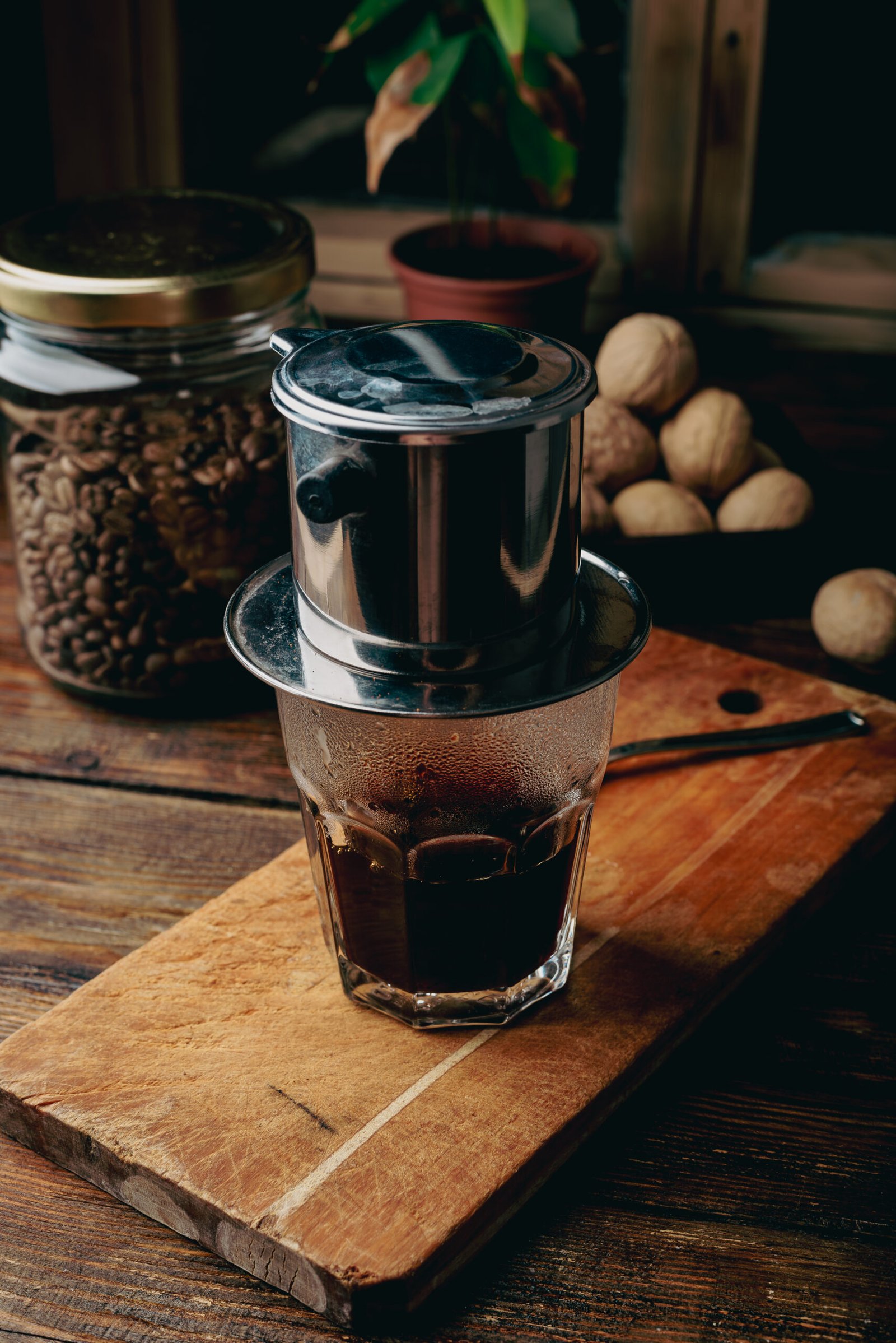
Phin Filter (Traditional Vietnamese)
- Grind: Medium
- Ratio: 3 tablespoons per 6oz water
- Method: Standard phin—slower drip than typical robusta due to medium roast
- Pairing: Beautiful black (the peach and honey shine through) or with a light touch of condensed milk
- Result: Full-bodied, stone fruit forward, jasmine finish—traditional method, modern flavor
Pour-Over (V60, Kalita, Chemex)
- Grind: Medium
- Ratio: 1:15 (e.g., 20g coffee to 300g water)
- Water temp: 200–205°F
- Technique: Standard pour-over; bloom 30–45 seconds
- Result: The acidity really shines here—bright, peachy, floral, with robusta body underneath
French Press
- Grind: Medium-coarse
- Ratio: 1:14 (e.g., 30g coffee to 420g water)
- Steep time: 4 minutes
- Result: Bold body, pronounced peach and honey notes, smooth finish
AeroPress
- Grind: Medium-fine
- Ratio: 1:14 (17g coffee to 240g water)
- Method: Inverted method, 2-minute steep
- Result: Clean, concentrated, peach-forward—great for travel or office brewing
Cold Brew (Highly Recommended)
- Grind: Coarse
- Ratio: 1:4 (coffee to water)
- Steep: 18–24 hours, refrigerated
- Result: Incredibly smooth, peach nectar sweetness, zero bitterness, naturally sweet—perfect for hot summer days
Espresso
- Grind: Fine
- Dose: 18–20g for double shot
- Result: Thick, syrupy shot with peach and honey notes—makes a fascinating latte or cappuccino
Brewing Tips for Best Results
Tip #1: Try Pour-Over
This coffee has unusual acidity for robusta—pour-over methods (V60, Kalita) really highlight the peach brightness and jasmine florals.
Tip #2: Use Filtered Water
The delicate stone fruit notes can be masked by chlorine or minerals. Use filtered water for best results.
Tip #3: Don’t Over-Extract
Robusta can turn bitter if brewed too long or too hot. Stick to recommended temperatures and brew times.
Tip #4: Serve Black First
The peach and honey notes are beautiful on their own—taste it black before adding milk or sugar.
Tip #5: Pair with Breakfast Pastries
The stone fruit sweetness is perfect with croissants, danishes, or Vietnamese bánh patê sô.


